


Table of Contents
The elearning market is expected to reach $319 billion by 2029 (Source: Elearning Statistics). Whether you’re looking to generate additional income, establish expertise in your industry, or build a course-based business, this guide covers how to make a course to sell successfully.
Online courses as a business model
Learning how to start an online course business allows you to develop educational content once and sell it multiple times. This model offers scalability potential since courses can reach students globally without physical distribution constraints. However, success requires ongoing marketing, student support, content updates, and community management.
Creating courses can help position you as a subject matter expert, which may lead to opportunities in consulting, speaking engagements, or industry partnerships. Many instructors find they can make money selling online courses while building their professional reputation.
There are three primary approaches to course-based businesses.
Monetizing an existing audience: If you’re a content creator with an engaged following and revenue streams from ads, ecommerce, or subscriptions, learning how to create and sell a course can deepen audience relationships while providing educational value. It functions as an additional revenue stream that complements existing business models.
Building an education-focused business: If your core business involves selling courses, training programs, coaching services, or educational products, you’re likely focused on scaling sales and expanding reach. Understanding how to sell more courses effectively helps attract a broader audience, streamline course delivery, and establish sustainable revenue.
Monetizing expertise as supplementary income: For those with full-time employment or an existing business, learning how to create and sell courses online provides an option to monetize knowledge and skills. This approach offers flexibility for establishing secondary income or gradually transitioning into education-focused work.
Choosing a profitable course topic
Course success often starts with topic selection. Begin by identifying your expertise, professional background, and areas of knowledge you can confidently teach.
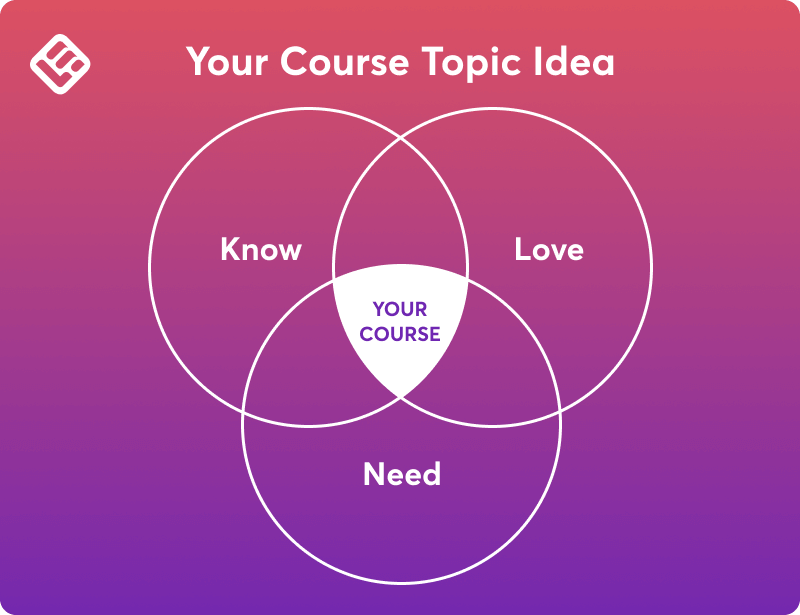
Market demand is another key factor. Research involves studying search trends and analyzing competitor offerings to validate demand. Tools like Google search ads help identify what learners are actively searching for.
Examining online course marketplaces and course platforms reveals what’s currently selling and potential differentiation opportunities. Direct engagement with your target audience through surveys, social media, or forums provides insights into specific challenges they’re looking to address.
Validating your course idea
Before investing significant time and resources in digital course creation, testing your course idea helps assess viability. Surveys or polls distributed through email lists, social media, or niche online communities can gather feedback from potential students.
Starting with a free webinar or a short mini-course provides data on interest levels and willingness to invest in your content. This validation step is crucial when learning how to sell a course successfully. Participation in online forums and industry discussions can indicate audience engagement with your subject matter.
Engagement levels and responsiveness in these settings often signal course viability.
Creating engaging course content
Digital course creation depends on content quality and structure. A well-organized curriculum ensures smooth progression, making it easier for students to follow and stay motivated throughout.
Video lessons and production quality
Video lectures can improve retention rates, making production quality an important consideration when learning how to sell video courses online. Good lighting, sound, and camera quality contribute to a professional presentation. Free video editing software can enhance content, add subtitles, and improve overall clarity when needed. Structuring videos into digestible modules with logical flow helps learners absorb information effectively.
Supplementary learning materials
Supplementing video lessons with additional materials such as PDFs, worksheets, and quizzes contributes to a well-rounded learning experience. Structured handouts, cheat sheets, and practical exercises help students reinforce key concepts and improve retention. Case studies and real-world examples make content more relatable and actionable.
Maintaining learner engagement
Interactive elements support engagement throughout a course. Components like assignments, live Q&A sessions, discussion boards, and peer collaboration activities encourage participation and deeper learning. Gamification elements—including leaderboards, point systems, badges, challenges, and progress bars—can support the learning process and improve engagement when appropriate for your audience.
Building community through discussions and progress-sharing helps learners stay engaged, contributing to higher completion rates and satisfaction. Not all courses or audiences benefit equally from gamification, so consider whether these elements align with your teaching approach and student preferences.
Well-structured content, engaging video lessons, and interactive experiences contribute to effective learning outcomes and can establish your course as a valuable educational resource.
For a visual walkthrough of course creation, see our step-by-step video demonstration using the LearnWorlds platform.
Selecting an online course platform
Choosing the right platform affects how effectively you can deliver content and sell more courses to your target audience. Several options exist, each with different features, pricing, and technical requirements. For long-term scalability, membership sites for courses can provide ongoing value through exclusive content and community engagement.
Here’s a comparison of three leading platforms.
For a detailed platform comparison including pros and cons, see our LearnWorlds vs. Teachable vs. Thinkific vs. Kajabi guide.
Online course marketplaces like Udemy and Skillshare can expose courses to broader audiences, though they may impose restrictions on pricing and revenue sharing.
WordPress LMS plugins such as LearnDash and WPLMS offer flexibility and customization if you already have a website. However, these require additional costs for hosting, maintenance, and technical support, making them more complex to maintain compared to all-in-one platforms.
Self-hosted LMS platforms like LearnWorlds, Teachable, Kajabi, Podia, and Thinkific offer comprehensive packages including course creation tools, marketing automation, and integrated payment systems. These platforms provide greater control over branding, pricing, and audience engagement while eliminating complex technical setups. They’re particularly useful for creators who want to sell video courses online with full customization options.
LearnWorlds provides an all-in-one solution with user-friendly interfaces, marketing tools, AI course creation capabilities, and integrations to streamline course business operations. The platform supports those learning how to make a course to sell with built-in templates and comprehensive features.
Pricing your online course
Pricing affects course success significantly. Multiple pricing structures exist, and selection depends on market positioning and revenue strategy. Understanding different course pricing strategies helps determine whether a one-time payment, subscription model, or tiered pricing approach fits your offering.
Increasing perceived value through bonuses such as live coaching, exclusive communities, or certifications can support higher pricing. Your pricing strategy should reflect both course value and alignment with business goals and audience expectations.
For additional guidance, see our resources on high-ticket courses and pricing strategies for online courses.
Creating a high-converting sales page
A well-designed course landing page affects conversion rates. Clearly communicating course value by highlighting benefits and learning outcomes helps prospective learners understand what they’ll gain.
Social proof—testimonials and case studies from previous students—builds credibility and provides reassurance. A clear call-to-action (CTA) should be prominently placed to facilitate sign-ups. Optimizing your landing page with engaging visuals, clear messaging, and mobile-friendly design improves conversion potential.
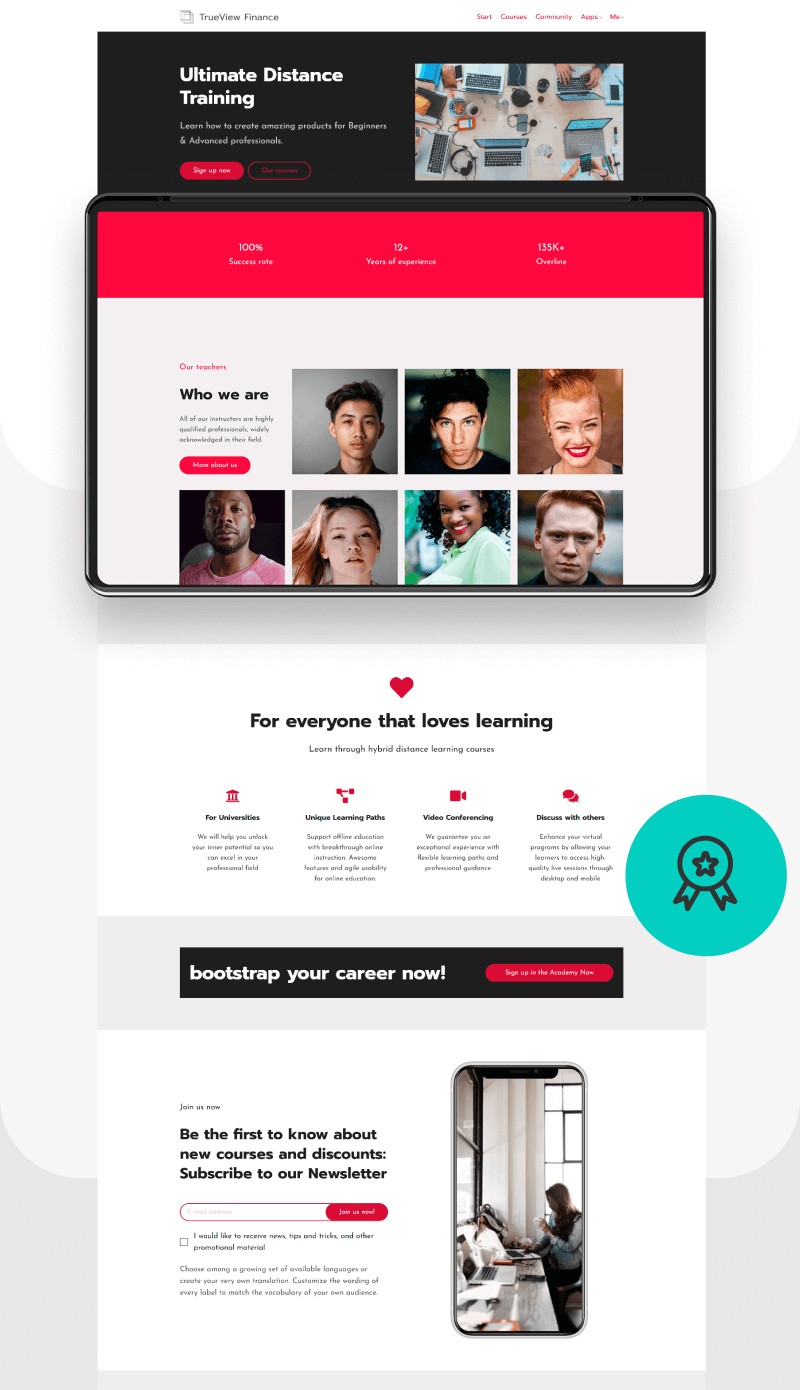
For comprehensive guidance on landing page development, see our complete guide on writing a course landing page with examples.
If you are looking for more, you can check Course Masters for tutorial courses from successful course creators and experts on selling and marketing online courses.
Marketing your online course
A content marketing strategy is essential for attracting students and learning how to sell more courses consistently. Content monetization through blog posts, YouTube videos, and social media helps establish authority while attracting organic traffic.
Paid advertising on platforms like Google search ads, Facebook, and Instagram can expand reach when targeting appropriate demographics. Email marketing is effective for nurturing leads, building trust, and converting them into paying students, which is crucial for those focused on how to make money selling online courses.
Affiliate marketing for courses involves collaborating with influencers, bloggers, and satisfied students to drive enrollments. Social media marketing on platforms like LinkedIn, Twitter, and Instagram helps engage audiences through interactive posts, live sessions, and promotional content.
Launching and scaling your course business
Understanding how to start an online course is just the initial step. Building a sustainable business requires a strategy for lead generation, traffic acquisition, and sales funnel optimization to effectively sell a course and generate consistent revenue.
Generating leads with effective lead magnets
Leads are potential customers who have provided contact information, typically in exchange for valuable content. Effective lead magnets include:
Promoting lead magnets through social media, email marketing, or paid ads builds a pipeline of interested potential students.
Driving traffic to your lead magnets
Once you’ve created a lead magnet, traffic generation becomes the priority:
Automating your email sales funnel
After capturing leads, email marketing automation nurtures them toward purchase. A structured email sequence guides potential customers through decision-making:
To help you move faster, we already have an email sequence to sell your course.
Combine that with the rest of your marketing strategy and content marketing efforts on social or through your own website for better results.
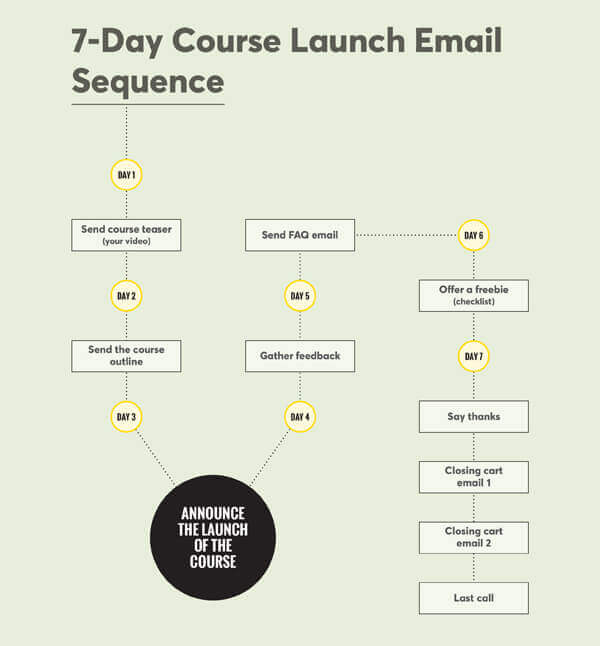
You can download these email sequence templates we have prepared to launch an online course. All you need to do is choose your favorite email marketing software and set the sequence to automatically go to anyone who downloaded your lead magnets.
Marketing activities to support your sales funnel
Expanding digital product sales can boost course business revenue by offering complementary resources such as ebooks, templates, and exclusive content bundles. These provide additional student value while creating multiple revenue streams beyond course enrollments.
Scaling requires consistent marketing efforts:
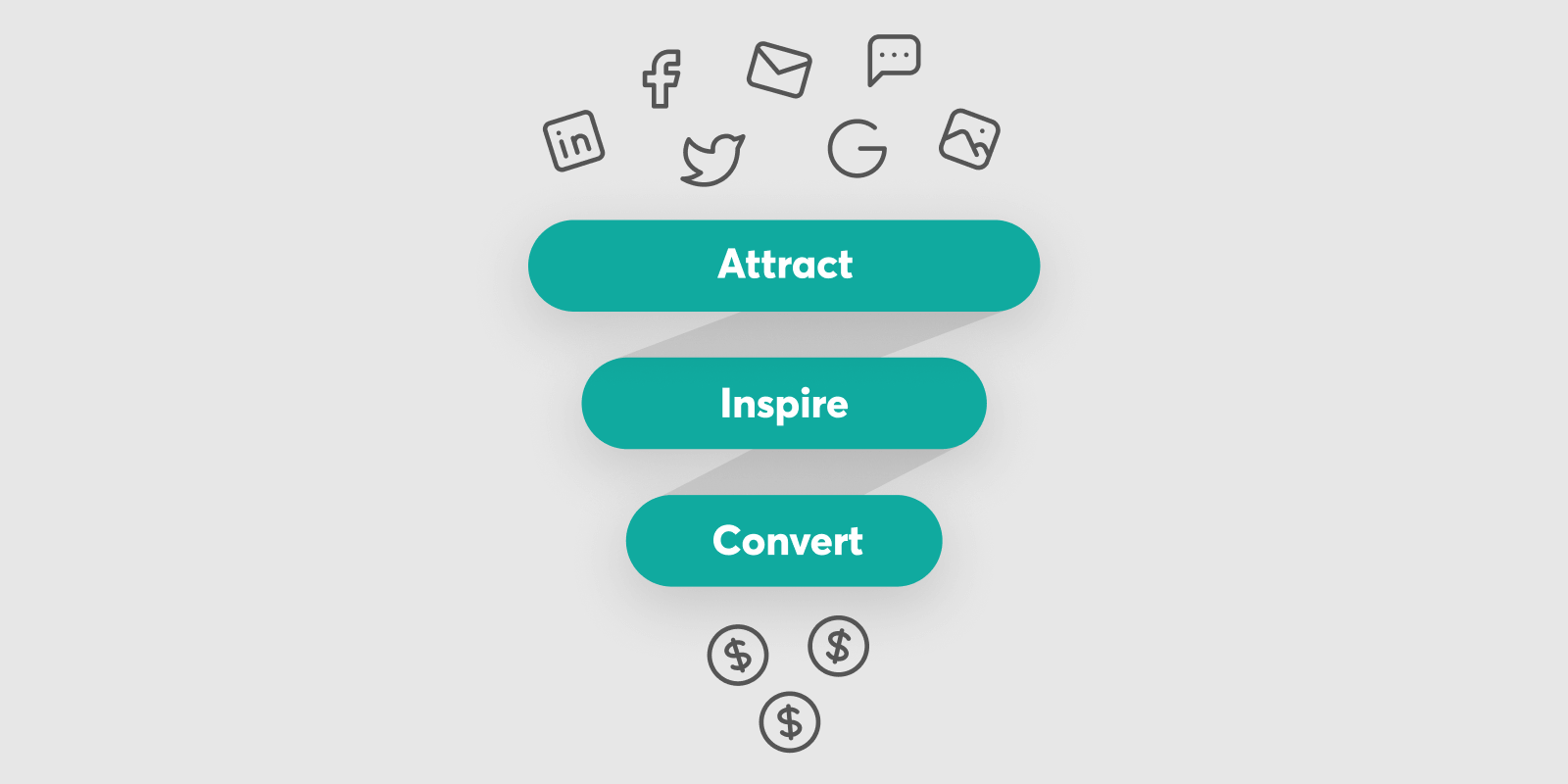
Course promotion strategies:
To drive consistent enrollments and sell video courses online successfully, consider these tactics:
Post-sale: retention and upselling
Delivering exceptional learning experiences encourages repeat business and referrals. Consider offering:
Exceeding expectations can help you convert first-time students into returning customers who then refer others.
After launching your first course, scaling involves expanding your offerings by creating new courses or bundling complementary content to encourage continued learning.
Establishing an online community through forums or private groups will also foster student engagement and provide ongoing support. Limited-time promotions, discounts, and seasonal offers can help you maintain steady enrollment. Finally, keeping course content updated ensures material remains relevant and valuable.
Building your learning community
Sustaining and growing a course business extends beyond sales—it involves creating engagement structures that keep students active and connected.
A learning community adds long-term value by fostering relationships, encouraging peer support, and increasing student retention. When learners feel part of a larger group, they demonstrate higher motivation, engagement, and perceived course value.
Establishing an engaged learning community
Define community purpose: Effective communities have clear purposes. Whether for networking, peer learning, or ongoing discussions, defining this purpose attracts appropriate members and keeps interactions meaningful.
Establish community guidelines: A welcoming environment requires structure. Clear guidelines about encouraged behavior help everyone feel comfortable and engaged.
Select appropriate platforms: Community location matters. Whether inside your course platform, on social media, or through a private forum, choose spaces that members can easily access and interact within. Features like discussion boards, live chats, and direct messaging facilitate ongoing conversation.
Maintain active engagement: Communities require ongoing activity. Regular sharing of valuable content—discussion prompts, exclusive insights, or live Q&A sessions—keeps members engaged. Relevant, interactive content encourages participation.
Foster peer-to-peer interactions: Communities extend beyond instructor-student relationships. Create opportunities for group discussions, collaborations, and peer support. When learners connect with each other, engagement and investment increase.
Recognize engagement: Recognition encourages participation. Whether through acknowledgments of active members, badge systems, or special perks for contributors, small recognitions maintain involvement.
Gather feedback and adapt: Communities should evolve based on member needs. Regular feedback collection and openness to changes ensure communities grow with their members.
For comprehensive guidance on building engaged communities, see “From followers to fans: Proven strategies for building an engaged online community” to find strategies, tools, and expert insights on creating thriving online spaces.
Remember, a strong learning community centers on connection. When learners feel supported, engaged, and valued, they’re more likely to succeed in courses and overall learning paths. And as they succeed, so does your course business.
Create a lasting impact with your online courses
Learning how to create and sell courses online provides opportunities to share expertise while building education-focused businesses. By providing valuable educational content, you help others develop skills while establishing industry presence.
What makes online courses truly special is the ability to inspire. Your unique vision, insights, and passion become part of the learning experience, leaving a lasting impression on your students. The content you create today has the potential to influence future trends, spark meaningful discussions, and leave a digital legacy that continues to grow over time.
With the appropriate strategies for selling online courses, commitment, and tools for digital course creation, your course business can achieve significant scale, and there’s no limit to how far it can go.
Start creating your first online course with LearnWorlds’ 30-day free trial.
Frequently Asked Questions (FAQs)
Q: How do I create and sell my own course?
Learning how to create and sell a course involves research, validation, structured course development, choosing a course platform, marketing, and continuous engagement with students. The process covers everything from digital course creation to implementing effective sales strategies.
Q: Do I need a license to sell a course?
In most cases, no license is required to sell an online course. However, specific industries like finance or healthcare may require certifications or disclaimers to comply with legal regulations.
Q: Can you make money from courses?
Yes, many course creators earn income from online courses. With the appropriate strategy, courses can generate revenue and scale over time, though success varies significantly based on market, execution, and ongoing effort.
Q: How to create a free online course?
You can create an online course at a low cost by using free video editing software, hosting content on affordable or free platforms, and promoting through organic marketing strategies like blogging and social media.
Further reading
- Best Profitable Online Course Ideas & Trends with Examples
- How to Create a Membership Site
- 18 Best Online Course Platforms
- How Much Money Can You Make Selling Online Courses?
- Best Online Learning Platforms
- How to Teach Online & Earn Money
- How to Make Your Online Courses TikTok Famous: Your Guide to Success

Rosemary is LearnWorlds’ Content Marketing Manager. She has over 2 decades of experience in omnichannel marketing and content writing for the IT and SaaS industry. Her expertise lies in crafting effective content marketing strategies that attract, engage, and nurture customers, enabling LearnWorlds to reach its target audiences with precision.

Kyriaki is the Organic Content Strategist at LearnWorlds, where she writes and edits content about marketing and e-learning, helping course creators build, market, and sell successful online courses. With a degree in Career Guidance and a solid background in education management and career development, she combines strategic insight with a passion for lifelong learning. Outside of work, she enjoys expressing her creativity through music.
 Back to blog
 Scroll to top
Related Articles